A fungal skin infection (mycosis, tinea) is a common skin condition caused by fungi or yeasts. These infections affect the outer layer of the skin and can take various forms, such as athlete’s foot (tinea pedis), ringworm (tinea corporis), or a fungal infection in the groin (tinea cruris).
Symptoms
The symptoms of a fungal infection depend on the affected area of the body. The most common signs include:
- Itching, burning sensation, or irritation.
- Red, scaly patches with a well-defined edge.
- Round or ring-shaped rash (in the case of ringworm).
- Small blisters or cracks, especially between the toes (athlete’s foot).
- Thickened, discolored, or brittle nails in the case of a fungal nail infection.
- White, soft skin with an unpleasant odor (in fungal infections in moist areas such as the groin).
Causes
Fungal infections are caused by fungi or yeasts that feed on dead skin cells, hair, and nails. Factors that increase the risk of infection include:
- Moisture and warmth: Fungi thrive in warm and humid environments, such as swimming pools, gyms, and poorly ventilated shoes.
- Direct contact: Infection can occur through direct skin contact with an infected person, animal, or contaminated objects (such as towels, shoes, and gym mats).
- Weakened immune system: People with a weakened immune system are more susceptible to infections.
- Excessive sweating: Moist skin folds and wet feet create an ideal environment for fungi.
- Poor hygiene: Not drying the skin properly after showering can promote fungal growth.
Diagnosis
A doctor can often diagnose a fungal infection based on the appearance of the skin. In some cases, additional tests may be needed, such as:
- Microscopic examination: A sample of skin or nail is examined to confirm the presence of fungi.
- Culture: Fungal samples are placed on a growth medium to identify the specific type of fungus.
- Wood’s lamp (UV light): Some fungi fluoresce under a special UV light, which can assist in diagnosis.
Treatment
Fungal infections can usually be effectively treated with antifungal medications. The treatment depends on the severity and location of the infection.
- Topical treatment (cream or ointment): For superficial fungal infections, an antifungal cream containing clotrimazole, miconazole, or terbinafine is commonly used.
- Oral medication: For persistent or deep fungal infections, a doctor may prescribe oral antifungal medications such as itraconazole or fluconazole.
- Fungal nail infections: A long-term treatment with antifungal nail polish or oral medication may be necessary.
Treatment usually lasts from a few weeks to several months, depending on the severity of the infection. It is important to complete the full course of treatment, even if symptoms disappear earlier.
Self-Care Tips and Prevention
To prevent fungal infections or minimize recurrence, follow these tips:
- Keep skin dry and clean: Dry your skin thoroughly after showering, especially between the toes and in skin folds.
- Wear breathable clothing and shoes: Choose cotton socks and ventilated shoes to prevent moisture buildup.
- Avoid walking barefoot in public areas: Wear flip-flops in swimming pools, gyms, and public showers.
- Wash clothing and towels at high temperatures: This helps kill fungal spores and prevent further infection.
- Avoid sharing personal items: Use your own towels, socks, and shoes.
- Use antifungal powder: This can help keep moist areas dry and reduce the risk of infection.
- Strengthen your immune system: A healthy lifestyle with a balanced diet, regular exercise, and good hygiene helps prevent infections.
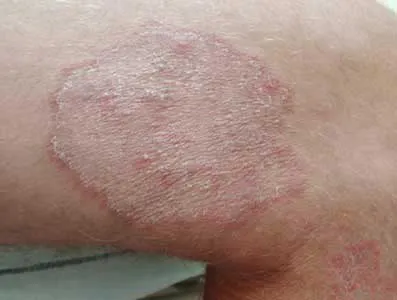
 Photo: typical ‘ringworm’ on the leg
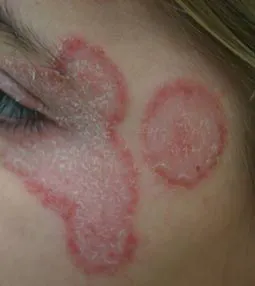
 Photo: A fungal infection can also occur on the face.

 Photo: Microscopic image of fungal hyphae.